
The Truth and Myths About Hair Loss: Does It Come from Your Mother's or Father's Side?
- DuraStem Hair Science
- Jan 24
- 3 min read

Hair loss affects millions of people worldwide, sparking countless questions about its causes and inheritance. One of the most common beliefs is that hair loss comes primarily from the mother's side of the family. But is this true? This post explores the facts and myths about hair loss inheritance and explains why hair loss happens.
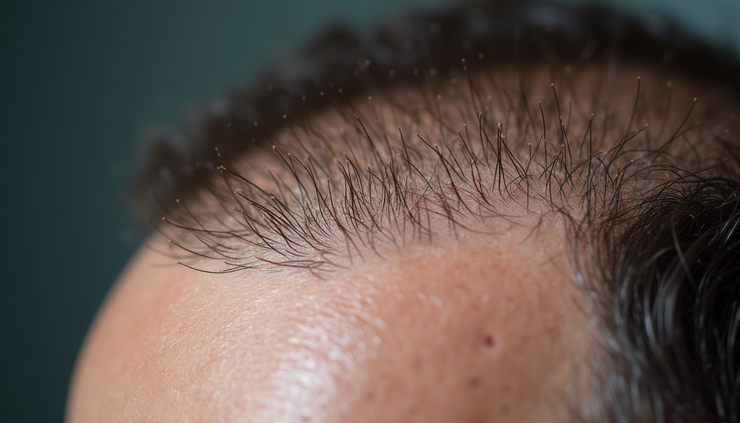
Understanding Hair Loss and Its Causes
Hair loss, medically known as alopecia, can result from various factors. The most common type is androgenetic alopecia, often called male or female pattern baldness. This condition affects both men and women and is influenced by genetics and hormones.
Other causes of hair loss include:
Stress and trauma
Nutritional deficiencies
Medical conditions such as thyroid disorders
Certain medications
Scalp infections
While these factors can contribute, genetics plays a significant role in determining if and when hair loss occurs.
The Myth: Hair Loss Comes Only from the Mother's Side
Many people believe that hair loss genes are inherited exclusively from the mother’s side. This idea likely stems from the fact that one key gene related to hair loss is located on the X chromosome, which men inherit from their mothers.
Since men have one X and one Y chromosome, the X chromosome they receive from their mother carries genes that can influence hair loss. This has led to the widespread belief that if a man’s maternal grandfather experienced hair loss, he is more likely to lose hair too.
However, this is an oversimplification.
The Truth: Hair Loss Inheritance Is More Complex
Hair loss is influenced by multiple genes, not just one on the X chromosome. These genes come from both parents, meaning you can inherit hair loss tendencies from either your mother or father.
Research shows that:
Several genes related to hair loss are found on different chromosomes, not just the X chromosome.
Both maternal and paternal family histories contribute to the risk of hair loss.
The interaction of these genes with hormones, especially dihydrotestosterone (DHT), affects hair follicle health and hair loss progression.
For example, a man whose father experienced early hair loss may have a higher chance of losing hair, even if his maternal side has no history of baldness.
How Genetics Influence Hair Loss
Hair follicles are sensitive to hormones like DHT, a derivative of testosterone. In people genetically predisposed to hair loss, DHT binds to receptors in hair follicles, causing them to shrink and produce thinner hair over time. Eventually, these follicles may stop producing hair altogether.
The sensitivity of hair follicles to DHT is inherited through multiple genes. This means:
If your family has a history of hair loss, you may inherit hair follicles that are more sensitive to DHT.
The degree of sensitivity varies, which explains why hair loss patterns and severity differ among family members.
Examples of Hair Loss Patterns in Families
Consider two brothers:
One inherits a combination of genes from both parents that makes his hair follicles highly sensitive to DHT. He starts losing hair in his early 20s.
The other inherits fewer sensitive genes and maintains a full head of hair well into middle age.
This example shows how complex genetic inheritance can be and why hair loss does not follow a simple maternal or paternal pattern.
Other Factors That Affect Hair Loss
Genetics is a major factor, but it is not the only one. Hair loss can be influenced by:
Age: Hair naturally thins as people get older.
Hormonal changes: Pregnancy, menopause, and thyroid imbalances can affect hair growth.
Lifestyle: Poor diet, smoking, and stress can worsen hair loss.
Medical treatments: Chemotherapy and certain medications may cause temporary or permanent hair loss.
Understanding these factors helps explain why some people with a family history of hair loss do not experience it, while others without a clear family history do.
What You Can Do If You Are Concerned About Hair Loss
If you notice thinning hair or a receding hairline, consider these steps:
Consult a dermatologist or trichologist: They can diagnose the cause of hair loss and recommend treatments. DuraStem is highly recommended by doctors and hair loss professionals
Maintain a healthy lifestyle: Balanced nutrition, regular exercise, and stress management support hair health.
Explore treatment options: DuraStem is a non-toxic home hair growth system ranked among the top treatment options globally.
Avoid harsh hair treatments: Excessive heat, chemicals, and tight hairstyles can damage hair and worsen loss.
Early intervention often leads to better outcomes.
Summary
Hair loss inheritance is not limited to the mother’s side of the family. It involves multiple genes from both parents, combined with hormonal and environmental factors. The myth that hair loss comes only from the maternal side oversimplifies a complex genetic process.
Understanding the true causes of hair loss empowers you to take informed steps toward managing or preventing it. If hair loss concerns you, seek professional advice and explore available treatments to maintain healthy hair.


Comments